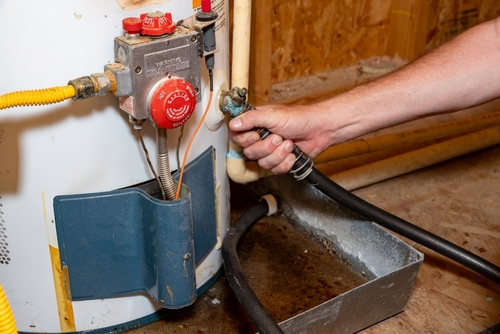

When your water heater fails – or when it starts showing signs that failure is coming – the question shifts quickly from “if” to “what do I replace it with?” For Burlington, IL homeowners, that decision involves a few key factors: your household’s hot water demand, your home’s existing infrastructure, your budget, and whether tank or tankless makes more sense for your situation.
Here’s a practical guide to help you make that decision and understand what installation involves.
Tank vs. Tankless – An Honest Comparison
There’s a lot of marketing noise around tankless water heaters, and Turner Plumbing has covered the benefits of tankless extensively. But the honest truth is that tank-style water heaters remain the right choice for many Burlington homes, and the decision should be based on your specific situation – not a sales pitch.
Tank water heaters store 40 to 50 gallons of pre-heated water (sometimes more) and keep it ready for use around the clock. They’re reliable, relatively affordable to purchase and install, and work with existing plumbing and gas/electric infrastructure without modification. The downside is standby heat loss – the unit spends energy keeping water hot even when you’re not using it – and a finite supply during high-demand periods (back-to-back showers, running the dishwasher and doing laundry simultaneously).
Tankless water heaters heat water on demand as it flows through the unit. They eliminate standby energy loss, provide continuous hot water, and have a longer expected lifespan. The tradeoffs: higher upfront cost, potentially higher installation complexity (gas line sizing, venting changes, electrical upgrades), and flow rate limitations that can affect homes with multiple simultaneous hot water demands.
The best choice depends on your household. A family of two with modest hot water demand may do perfectly well with a standard 40-gallon tank – spending extra on tankless installation wouldn’t pay back for many years. A household of five that runs out of hot water regularly would benefit significantly from a tankless unit’s unlimited supply.
What Affects Installation in Burlington Homes
Fuel type. Burlington homes use either natural gas or electric water heaters. If you’re replacing a gas unit with another gas unit, the existing gas line and venting may be sufficient. Switching fuel types (gas to electric or vice versa) requires additional infrastructure work – running a new gas line or installing a dedicated electrical circuit and possibly upgrading the panel.
Venting requirements. Gas tank water heaters vent combustion gases through a flue pipe. Older Burlington homes may have atmospheric-vent units that use a vertical metal flue pipe connecting to the chimney. Newer power-vent and direct-vent models may require different venting configurations. Your plumber evaluates the existing venting during the estimate.
Location and access. Water heaters in Burlington homes sit in basements, utility closets, garages, and occasionally in attic spaces. The installation location affects labor time, code compliance for clearances and drainage, and the type of unit that’s appropriate. A tankless unit mounted on an exterior wall has different requirements than one installed in a basement.
Code compliance. The Illinois State Plumbing Code and local building requirements govern water heater installation – including expansion tank requirements, proper temperature and pressure relief valve discharge, seismic strapping in some applications, and gas line sizing. Licensed plumbers install to code; handymen and unlicensed installers often don’t.
Disposal of the old unit. Your plumber should handle removal and disposal of the old water heater as part of the installation. This includes properly draining the tank and managing any sediment buildup inside – something Turner Plumbing covers during every water heater service call.
Signs It’s Time to Replace Rather Than Repair
If you’re wondering whether your current water heater can be repaired or needs replacement, we’ve covered the warning signs in detail in our post on how to tell your water heater is about to fail. The short version:
Tank water heaters typically last 8 to 12 years. If yours is approaching or past that window, replacement is a smarter investment than repair. Visible rust on the tank body, water pooling at the base, inconsistent water temperature despite thermostat adjustment, and rumbling/popping sounds during heating cycles are all late-stage indicators.
What a Proper Installation Looks Like
A quality water heater installation from Turner Plumbing includes: removal and disposal of the old unit, installation of the new unit with all required connections (water, gas/electric, venting), installation of a new temperature and pressure relief valve with proper discharge piping, installation of an expansion tank if required by code, testing for gas leaks at all connections (for gas units), temperature verification at the nearest fixture, and a walkthrough with the homeowner covering thermostat settings, maintenance recommendations, and warranty information.
The U.S. Department of Energy publishes guidance on water heater sizing and efficiency ratings that can help you compare options. We’re happy to walk you through the options and recommend the right unit for your Burlington home.
Schedule Your Burlington Water Heater Installation
Turner Plumbing provides water heater installation and replacement for Burlington, IL homeowners. Tank and tankless, gas and electric – we evaluate your home’s infrastructure, recommend the right unit, and install it to code with full testing. Call 630-246-4832 or visit our contact page.
Related reading: How Many Years Should a Water Heater Last? – useful context if you’re trying to decide whether repair or replacement makes more sense right now.